Specialist Customs Clearance and Freight Support for Regulated Cargo
Importing Dangerous Goods into the UK requires much more than arranging ordinary freight.
Dangerous goods can present risks to people, property and the environment. Therefore, strict rules govern their classification, packaging, marking, labelling, documentation and transportation.
Getting something wrong can cause delays, rejected cargo and additional costs.
At Aerona Air & Sea Customs Clearing Agents Ltd, we understand those risks. Our experienced team supports businesses moving dangerous and hazardous goods into and out of the UK.
We help customers understand the customs and transport requirements affecting their cargo. Most importantly, we help you prepare before your goods start moving.
Why Importing Dangerous Goods into the UK Requires Specialist Knowledge
Dangerous goods are not treated like general freight. The requirements depend on several factors, including:
- What the goods are
- Their dangerous goods classification
- UN number where applicable
- Quantity
- Packaging
- Country of origin
- Destination
- Method of transport
- Whether exemptions or special provisions apply
Furthermore, requirements can differ between air, sea and road transport.
Aerona can help coordinate the customs and freight elements of your shipment while working with the information required for the relevant transport mode.
Our objective is simple: Reduce uncertainty. Improve preparation. Avoid preventable delays.
What Are Dangerous Goods?
Dangerous goods include substances and articles that present recognised transport risks. Examples can include:
- Explosives
- Flammable gases
- Flammable liquids
- Flammable solids
- Oxidising substances
- Organic peroxides
- Toxic substances
- Infectious substances
- Radioactive materials
- Corrosive substances
- Miscellaneous dangerous substances and articles
Even products that appear ordinary can sometimes fall within dangerous-goods rules.
Therefore, correct classification should happen before transport arrangements are finalised.
Importing Dangerous Goods into the UK by Air, Sea or Road
Dangerous Goods by Air
Air transport places strict requirements on dangerous goods.
Requirements may cover:
- Classification
- Packaging
- Marks and labels
- Documentation
- Quantity limitations
- Airline acceptance
- Staff competence and training
Certain goods may also be prohibited or restricted on aircraft.
Aerona can help coordinate your freight and customs requirements alongside the necessary dangerous-goods information.
Dangerous Goods by Sea
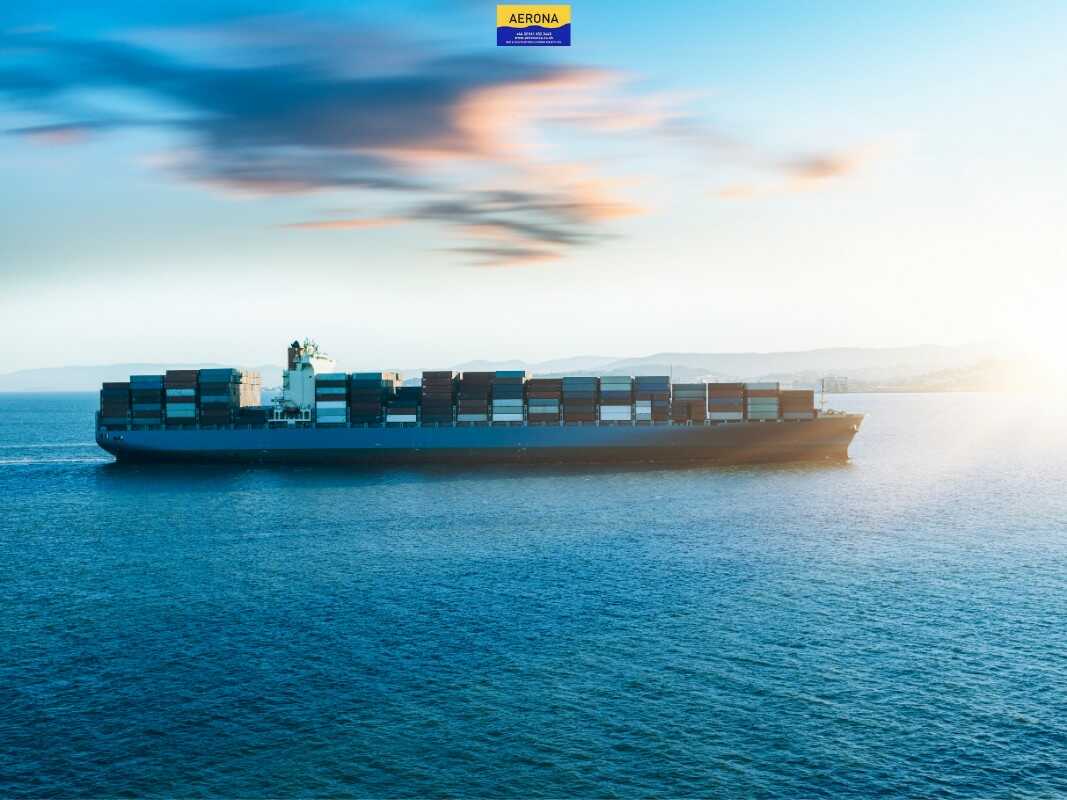
Dangerous goods travelling by sea must meet maritime transport requirements.
Depending on the shipment, this can include:
- Correct classification
- Approved packaging
- Dangerous-goods declarations
- Container requirements
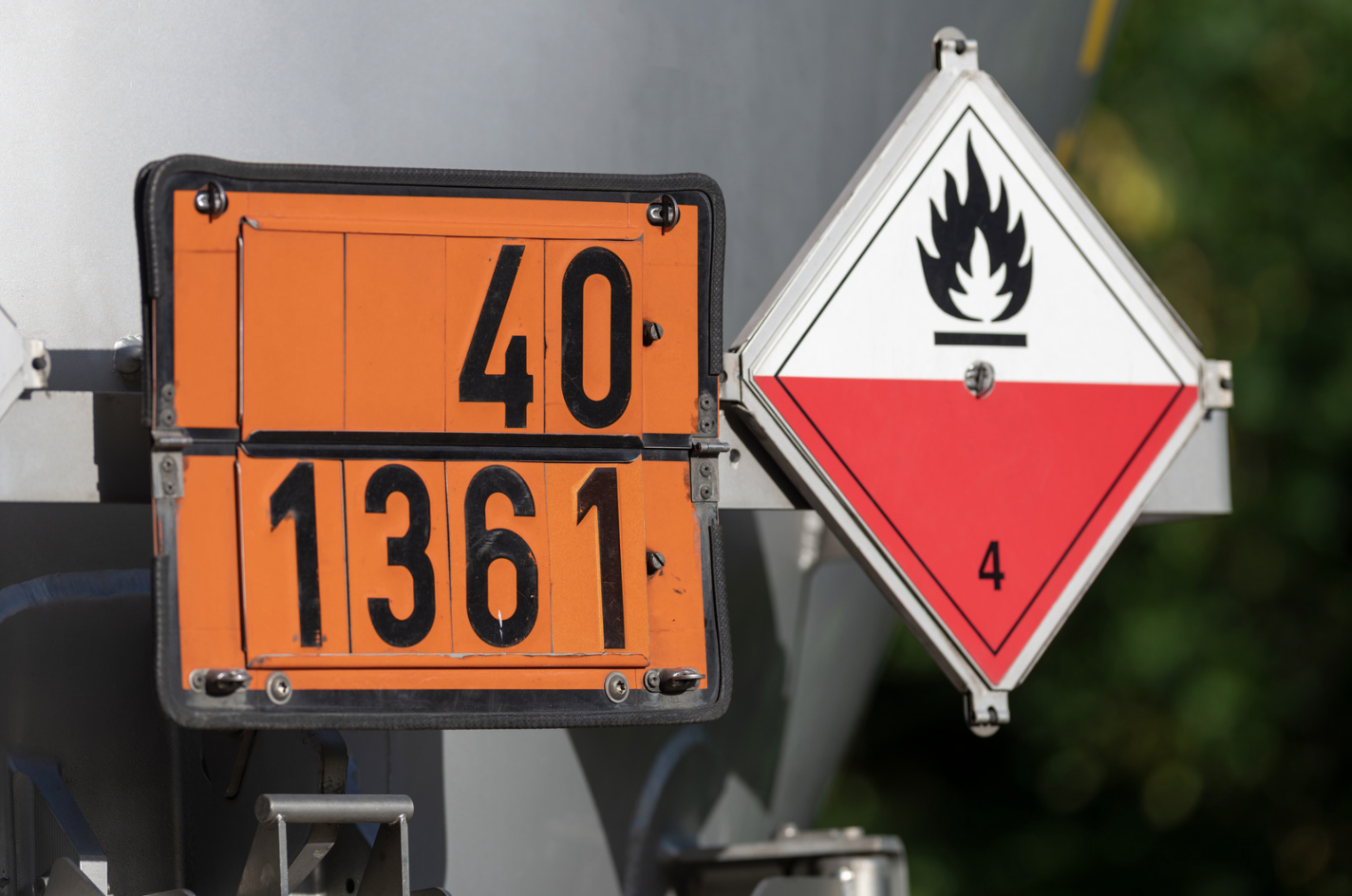
- Labelling and placarding
- Shipping documentation
Early preparation is essential.
Dangerous Goods by Road
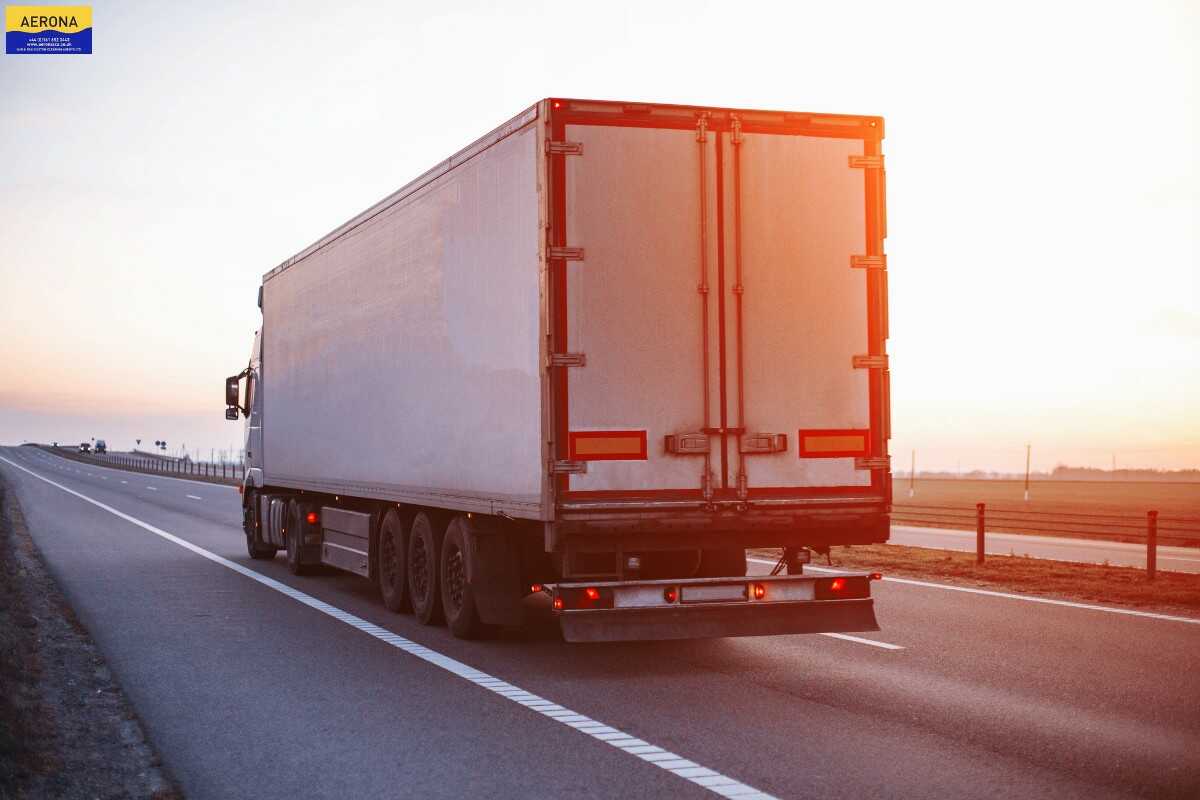
Dangerous goods carried internationally by road can fall under ADR requirements.
These rules address areas including:
- Classification
- Packaging
- Labelling
- Documentation
- Vehicle requirements
- Operational requirements
Consequently, businesses should establish what applies before collection takes place.
Correct Classification Comes First
You cannot plan a compliant dangerous-goods shipment properly without knowing exactly what you are moving.
Before requesting transport, establish information such as:
- Technical description of the goods
- UN number, where applicable
- Dangerous goods class
- Packing group, where applicable
- Quantity
- Packaging type
- Safety Data Sheet where relevant
- Origin and destination
- Proposed transport method
This information helps the parties involved determine how the goods should be handled.
Dangerous Goods Documentation
The documentation required depends on the shipment and transport mode.
You may need information or documents such as:
- Commercial invoice
- Packing list
- Dangerous goods declaration
- Safety Data Sheet
- Transport documentation
- Customs information
- Commodity code
- Country of origin
- Export or import authorisations where applicable
- Specific licences or approvals for certain controlled goods
Missing or incorrect information can delay transport.
Therefore, send Aerona your information as early as possible.
Packaging, Marking and Labelling Matter
Dangerous goods must be prepared appropriately for transport.
The consignor has important responsibilities for ensuring the goods are correctly classified, packed and marked.
This is not simply administrative paperwork.
Correct packaging and identification help everyone in the transport chain understand the risks involved.
They can also help emergency services respond appropriately if an incident occurs.
Shipping Explosives and Fireworks
Explosives and fireworks require particularly careful attention.
They are highly regulated and can involve additional:
- Classification requirements
- Licences
- Transport documentation
- Security considerations
- Storage requirements
- Carrier restrictions
- Competent-authority procedures
Aerona has experience supporting customers dealing with complex cargo.
However, requirements should always be confirmed for the specific goods and proposed movement before shipment.
Why Choose Aerona for Dangerous Goods Customs Clearance?
Specialist Experience
Aerona has experience assisting organisations importing and exporting complex and regulated cargo.
Customs Expertise
We help manage the customs aspects of international movements.
Air, Sea and Road Freight Knowledge
Your transport mode affects how dangerous goods must be handled.
Documentation Support
We help customers understand what information is required before the shipment moves.
Personal Service
You have someone to speak to when questions arise.
Problem Solving
If something does not go according to plan, our team can help coordinate the next steps.
Our aim is not simply to submit a customs declaration.
We want to help your shipment reach its destination safely, compliantly and without avoidable delay.
What Should You Do Before Shipping Dangerous Goods?
Before dispatch, ask these questions:
- What exactly am I shipping?
- Is it classified as dangerous goods?
- What is the relevant UN number?
- What dangerous-goods class applies?
- Is the packaging suitable?
- Are the correct marks and labels applied?
- Is specialist documentation required?
- Is the carrier able to accept the goods?
- Are any licences or approvals required?
- Does Aerona have the information needed for customs clearance?
If you cannot confidently answer these questions, speak to a specialist before dispatch.
Frequently Asked Questions About Importing Dangerous Goods into the UK
What are dangerous goods?
Dangerous goods are substances or articles classified as presenting particular risks during transport. They are divided into recognised classes according to the hazard they present.
Can I import dangerous goods into the UK?
Many dangerous goods can be imported, provided the applicable customs, transport, safety and regulatory requirements are met.
However, restrictions or additional authorisations can apply to particular goods.
Do dangerous goods need a UN number?
Many dangerous goods are assigned UN numbers for transport identification.
The exact classification depends on the goods concerned.
Who is responsible for classifying dangerous goods?
The consignor or sender has important responsibilities for correctly classifying dangerous goods before transport.
Can Aerona arrange customs clearance for dangerous goods?
Yes. Aerona provides customs clearance support for complex and specialist cargo.
Can dangerous goods travel by air?
Many can, but strict aviation rules apply.
Some products are restricted or prohibited, while others have packaging and quantity limitations.
Can dangerous goods travel by sea?
Yes, subject to the applicable maritime dangerous-goods requirements.
What does ADR mean?
ADR is the international framework governing the carriage of dangerous goods by road across participating countries.
Do I need specialist packaging?
Dangerous goods may require packaging that meets specific requirements based on their classification and risk.
What documentation is needed?
Requirements vary, but your shipment may need customs documents, dangerous-goods documentation, safety information and specific licences or approvals.
Can Aerona help with explosives or fireworks?
Aerona can discuss specialist freight and customs requirements involving explosives and fireworks. Specific legal, licensing and carrier requirements must be established for each movement.
What happens if dangerous goods are incorrectly declared?
Incorrect classification, documentation or packaging can cause delays and prevent goods from being accepted for transport.
Should I send Aerona my Safety Data Sheet?
Where one is available and relevant, providing it early can help establish information concerning the goods.
How much does dangerous goods customs clearance cost?
Costs depend on the goods, transport mode, shipment complexity and services required.
Send us your shipment details for a tailored quotation.
When should I contact Aerona?
Ideally, contact Aerona before booking or dispatching your shipment.
Early preparation gives everyone more time to identify potential issues.
Don't Let a Dangerous Goods Problem Become a Border Problem
When Importing Dangerous Goods into the UK, specialist preparation matters.
Your shipment may be valuable.
Your delivery deadline may be critical.
And compliance cannot be treated as an afterthought.
Talk to Aerona before your goods move.
Our team can help you understand the customs and freight requirements surrounding your shipment.